
ABM
What Is Buyer Intent Data? A Practical Guide (2026)
Buyer intent data explained: first-, second- and third-party signals, real examples, the tools that provide it, and how to act on it.
Buyer intent data is evidence that a person or company is researching, comparing, or close to buying a solution in your category — before they fill out a form. It is not a vibe, a website visit by itself, or a guaranteed close. It is a signal you can inspect, time, and act on.
That definition covers two very different stacks. Enterprise teams buy account-level scores from the B2B sales intelligence collection, including 6sense, Demandbase, Bombora, and ZoomInfo. Founders watching Reddit use social listening tools such as Buska to read the actual sentence a buyer posted. Both are intent data. They are not interchangeable.
What is buyer intent data?
Buyer intent data is information that shows someone is already in-market. First-party intent is behavior you observe on your own site, product, or email. Second-party intent is first-party data a named partner shares with you, such as a review site or a publisher. Third-party intent is aggregated web behavior a data vendor matches back to an account. Public social intent sits beside that model: a person states the need in their own words on Reddit, LinkedIn, or a forum, and you can read the post instead of an inferred score.
| Type | Source | Strength | Limitation |
|---|---|---|---|
| First-party | Your website, email, and product usage | Highest accuracy — you own it | Only covers people who already found you |
| Second-party | A named partner such as a review site or publisher | Verified source, not a black-box crawl | Limited to that partner’s audience |
| Third-party | Aggregated web research matched to accounts | Broadest reach before they know you | Indirect; depends on vendor matching |
First-party, second-party, and third-party intent
First-party examples: repeat visits to pricing, a demo request, time on a comparison page, or trial usage. The record is yours, so identity is rarely the problem. The coverage problem is: a buyer deep in research on a competitor’s site generates zero first-party signal for you. Person-level website identification such as RB2B sits in this bucket when it resolves a visitor on your site — still first-party traffic, with a third-party identity graph attached. Validate consent, geography (US person-level ID), and match quality before you treat a name as a reason to email.
Second-party examples: G2 or Capterra sharing listing engagement with vendors, or a publisher sharing category-content activity with sponsors. You can name the source. You cannot see beyond that source’s audience.
Third-party examples: search and content consumption across many sites, technographic changes, job posts, and news, packaged as an account score. This is the category 6sense, Bombora, Demandbase, and ZoomInfo compete in. Reach is the selling point. Decay, misattribution, and compliance are the inspection points. Compare current packaging on each vendor’s site before you treat a score as a reason to email an account.
What a real buyer intent signal looks like
- Search behavior such as “[category] pricing” or “[competitor] vs [alternative]”.
- Content consumption: a comparison guide, several articles in one category, a pricing-page cluster.
- Review-site activity on G2 or Capterra.
- Technographic signals: job posts that name a tool you replace or integrate with.
- Public posts: “what’s the best tool for X” on Reddit or LinkedIn, or a named-competitor complaint.
The last category is the one most account-level platforms under-serve. Social intent is public, dated, and usually tied to a person you can reply to. For the hierarchy of Reddit phrasing, see Reddit buying signals. For the reply process, see how to find leads on Reddit.
Who provides buyer intent data
Enterprise account-level platforms (6sense, Bombora, Demandbase, ZoomInfo) aggregate third-party web behavior into CRM-ready account scores. They fit teams running ABM with budget and someone to own the integration.
Social and community listening tools (Buska, and to varying degrees Awario, Octolens, and Brand24) monitor public conversations and surface or score posts that express intent directly. They are cheaper to start, faster to judge, and better when the buyer’s public question is the channel. Head-to-heads: Buska vs Brand24, Buska vs Awario, and Buska vs Octolens.
Why buyer intent data matters — and where it fails
- Timing: reaching someone during active research beats a cold list.
- Prioritization: not every ICP account is in-market this week.
- Message relevance: you can answer the question they actually asked.
- Competitive visibility: named-competitor posts flag switching work you would otherwise miss.
- Signal decay: a “hot” score from two weeks ago may already be a closed deal.
- False positives: students, competitors, and unrelated research can look like demand.
- Vendor-funded stats: treat adoption claims as marketing until you see the original study.
- Privacy: third-party matching touches consent rules that vary by region.
How to start using buyer intent data
- Pick the signal type that matches your stage. A small team usually gets faster proof from social listening than from an enterprise intent platform.
- Start with one or two channels — often Reddit or LinkedIn for B2B — before expanding coverage.
- Define “hot” for your product: named-competitor complaints, budget/timeline, direct recommendation requests.
- Assign an owner and a response SLA before the first alert lands.
- Re-check conversion after a month and drop keywords that never become conversations.
If you already catch hiring and stack-change signals, pair this page with how to catch buying signals before the first call and the sales prospecting guide.
FAQ
What is the difference between buyer intent data and lead scoring?
Lead scoring ranks people already in your database, usually from firmographic fit and past engagement. Buyer intent data can surface people who are not in your database yet — the signal comes first, the lead record often gets created afterward.
Is buyer intent data only for enterprise companies?
No. 6sense, Bombora, and ZoomInfo are built for larger ABM programs. Social intent tools such as Buska are priced for founders and small teams and are usually faster to validate.
How fresh does buyer intent data need to be?
As fresh as possible. Public social signals often go stale within days because the original poster may already have picked a vendor. A near-real-time alert is more useful than a weekly digest.
Does buyer intent data replace outbound prospecting?
No. It makes outbound more targeted. Instead of a random list, you prioritize accounts and people already showing signal, then reach out with the context of that signal. See the sales prospecting guide.
Keep reading
 ProspectingSep 29, 2026
Reddit Buying Signals: How to Spot Real Intent (2026)
Not every Reddit mention is a lead. Here is the signal hierarchy — from casual browsing to ready-to-buy — plus false positives to skip.
9 min read ProspectingSep 29, 2026
How to Find Leads on Reddit (Without Getting Banned) 2026
A step-by-step system for finding buyers on Reddit: search operators, subreddit rules, a comment framework that will not get you banned, and when to automate.
12 min read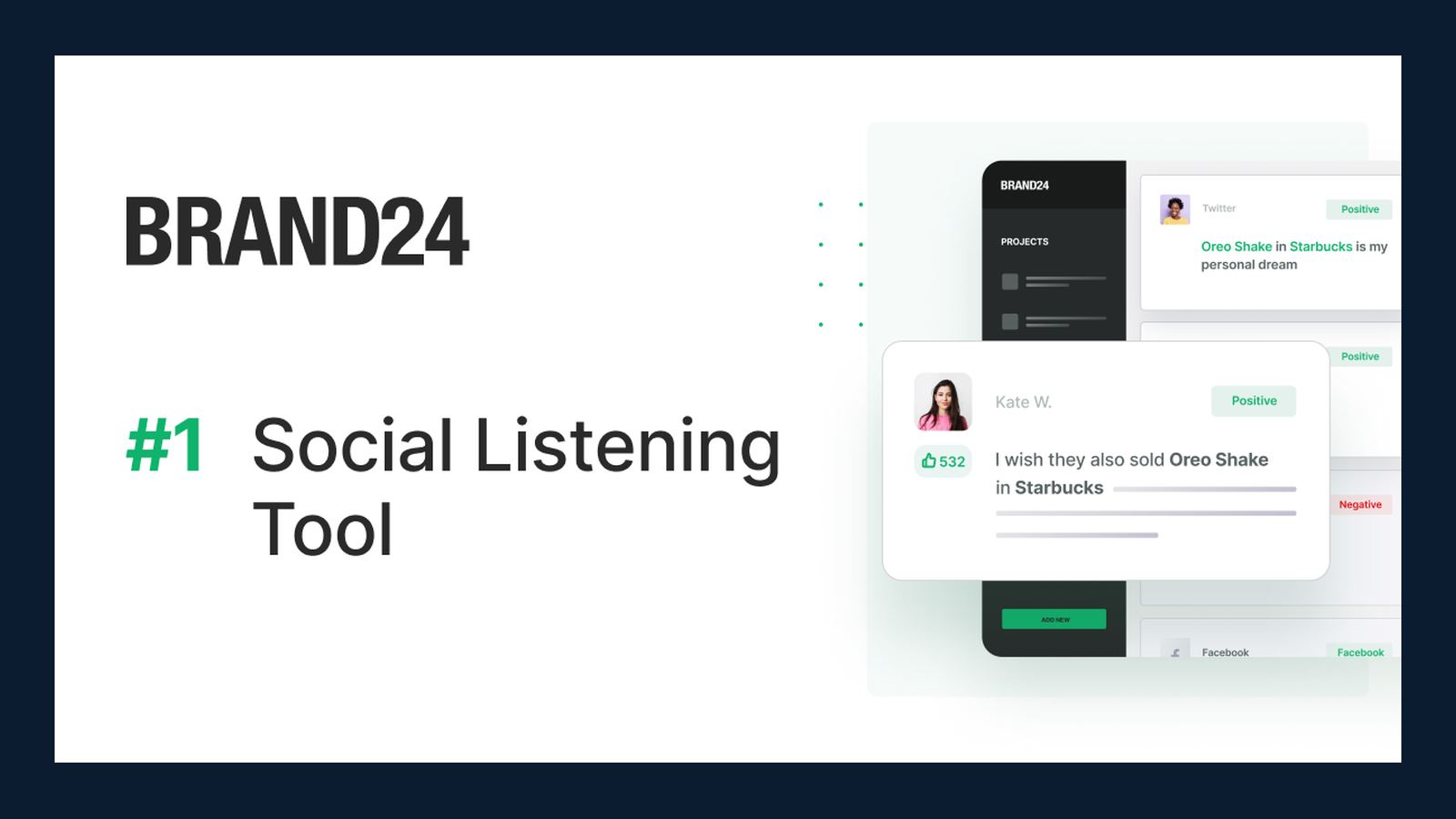 Sales toolsSep 29, 2026
Buska vs Brand24 (2026): Which Finds You Leads Faster?
Brand24 tracks brand mentions. Buska scores buying intent and turns social posts into leads. Feature, pricing, and use-case comparison for 2026.
11 min read